 CALL OR TEXT DARLA TODAY (503) 515-3170





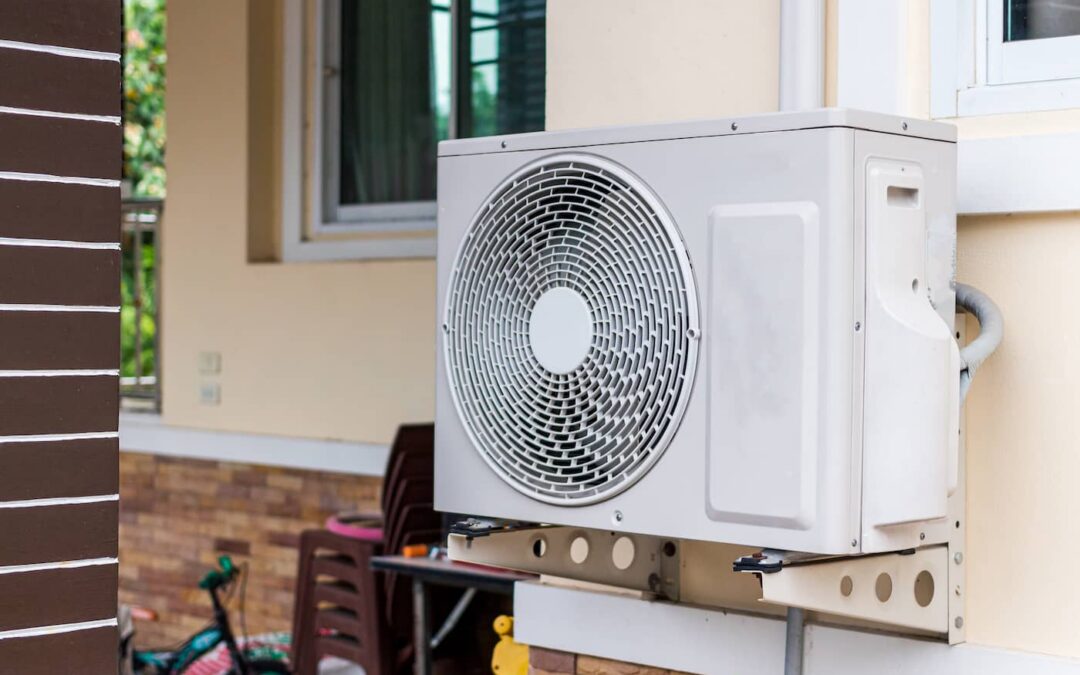
With colder weather approaching, Portland rental owners have a practical reason to look at their heating systems before winter arrives. The Oregon heat pump incentive offers eligible rental property owners up to $2,000 toward a qualifying heat pump installation, and funding remains available as of October 1, 2026.
For landlords looking to improve their property’s climate control, installing can be an attractive prospect: A heat pump can provide warmth during Oregon’s damp winter months while also cooling the home during summer heat waves, giving tenants year-round temperature control through a single system.
According to the Oregon Department of Energy, approximately $2.5 million remained available for rental properties as of October 1, representing roughly 1,254 incentives out of the program’s original allocation of 6,000. Funding for homeowners had already been fully reserved.
The State’s Remaining Heat Pump Incentive for Landlords
Oregon has offered multiple programs to help households transition to heat pumps, but rental owners need to distinguish between the programs still accepting applications and those that have reached their funding limits.
The older Rental Home Heat Pump Program is fully reserved and closed to applications. The state’s Heat Pump Purchase Program (known as HP3) is the principal remaining state incentive option for landlords seeking assistance with eligible rental property installations.
Under HP3, qualifying rental property owners can receive an incentive of up to $2,000 for an eligible heat pump purchase and installation. The amount available depends on the program’s requirements and the equipment being installed.
The Oregon Heat Pump Incentive funding figures published in early October indicate that the rental allocation had not yet been exhausted. However, a published balance is not a guarantee that money will remain available by the time a landlord is ready to proceed.
Why a Heat Pump Can Make Sense for a Portland Rental
Heat pumps work by transferring heat rather than generating it through conventional electric resistance heating. In heating mode, they draw heat energy from outdoor air and move it indoors. In cooling mode, the process reverses, carrying heat out of the home. A properly selected heat pump can help a rental remain more comfortable across all seasons.
That two-way operation gives rental owners an opportunity to address winter heating and summer cooling with one system. Depending on the equipment and the property’s existing setup, a heat pump may replace or supplement an older heating system. Heat pumps may also deliver more heat energy than the electrical energy they consume under suitable operating conditions.
Check the Efficiency Requirements Before Choosing Equipment
Not every heat pump qualifies for the Oregon heat pump incentive; the Oregon Department of Energy sets minimum efficiency standards that equipment must meet to be eligible. Under the current program requirements, qualifying heat pumps must have a Heating Seasonal Performance Factor 2 (HSPF2) rating of at least 8.1 and a Seasonal Energy Efficiency Ratio 2 (SEER2) rating of at least 16. These ratings measure heating and cooling efficiency, respectively.
Before choosing a system, ask the contractor to confirm the equipment meets both thresholds. Request the model number and efficiency specifications in writing, then verify that the proposed unit meets the program’s technical requirements.
HP3 covers eligible ducted, ductless, and split-system heat pumps. The right configuration depends on the property’s existing heating setup and the layout of the living space. A contractor can assess the building and recommend an appropriate system.
The program excludes commercial properties, vacation occupancies, and transient occupancies. Only one incentive is allowed per residence, so owners of multifamily properties should discuss how the rules apply to each unit.
How the Contractor Applies the $2,000 Discount
One useful feature the Oregon heat pump incentive is the way the money reaches the property owner. Rather than requiring landlords to pay the full installation cost and wait for a rebate check, the program uses approved contractors to apply the incentive as an upfront reduction in the purchase price.
The process generally works as follows:
- Choose an approved contractor. The state recommends obtaining quotes from at least three approved contractors before committing to a project.
- Confirm the equipment qualifies. Ask the contractor to verify the proposed system’s efficiency ratings and eligibility.
- Review the price. Make sure the incentive is reflected in the amount you will pay for the qualifying installation.
- Complete the installation. The contractor installs the heat pump and provides the incentive as a reduction in the cost.
- Allow the contractor to submit the application. The contractor applies to the Oregon Department of Energy for reimbursement after installation.
An incentive reservation may be submitted before installation, but the state says prior reservation approval is not required to proceed under HP3. The contractor must be approved to submit the application, and the installation must meet the program’s requirements. The state specifically advises owners to retain an invoice that meets HP3’s documentation requirements.
Can You Combine HP3 With Other Incentives?
Landlords may be able to combine the Oregon heat pump incentive with certain other financial assistance, but the rules place limits on the total support available for a single installation.
For instance, the HP3 incentive cannot exceed the total cost of purchasing and installing the heat pump after accounting for other included incentives. The state also prohibits combining HP3 funding with certain federally funded programs, including the federal HOMES and HEAR programs, along with specified other state initiatives supported by federal funding. Before signing a contract, tell the contractor about any other incentives you expect to receive.
Prepare Your Rental for the Seasons Ahead
A heat pump installation can be a substantial improvement to a rental property’s everyday functionality. For landlords considering installing one this fall, the next step is to confirm current funding and arrange an assessment with an approved contractor. Waiting until an existing system fails can leave fewer options for scheduling work during the busiest heating season.
At Rent Portland Homes Darla Andrew’s Office, we help rental owners consider property improvements as part of responsible long-term management. If you’re interested in renovating a property to jumpstart your rental business, we can help you navigate the process and ensure you maximize your ROI. For more information on our services, reach out to our team at (503) 515-3170 or through our website’s contact form.
Recent Comments