 CALL OR TEXT DARLA TODAY (503) 515-3170





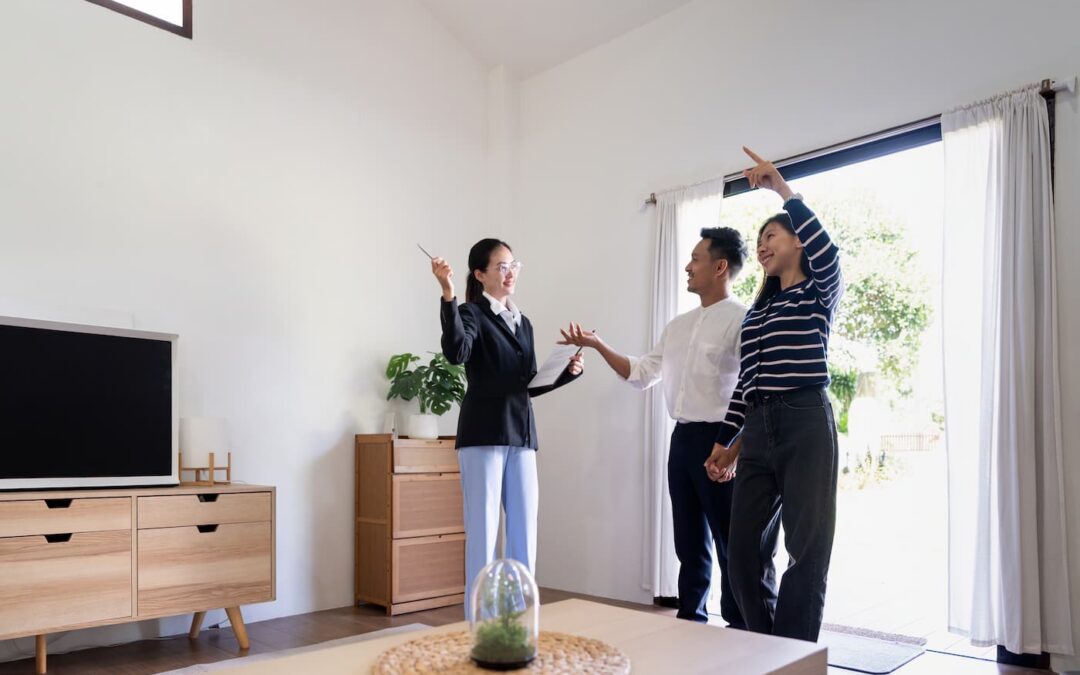
The first photos you see of a rental property listing are meant to dazzle. In Portland’s competitive market, landlords and property managers know that professional lighting and photography can make the difference between someone deciding to tour a Portland rental or scrolling right past.
Depending on how hot the market is, prospective renters may take their time in narrowing down their top choices before they decide which to see in person. But when you actually arrive at the front door, you often only have 15 minutes to decide whether this rental has the makings of your next home, and some people may be surprised by how different a rental feels from the photos when you actually step inside. That’s especially the case when it comes to older houses, which almost always have funny quirks (or potential pitfalls) that don’t show up on camera.
Given that Portland has notably old housing stock, with nearly 45% of the city’s homes built before 1960, renting in a residential area often involves taking on the challenges and joys of living in an older home. Many have been renovated since then, but their original layouts and infrastructure can still influence how the property functions today.
While you tour a Portland rental, here’s what you should look for beyond just the kitchen and bedrooms to make sure that actually living there will be just as exciting as the first 15 minutes—along with some additional guidance on how to judge an older rental.
1. What Type of Heating System Does The Rental Use?
Early on when you tour a Portland rental, it’s wise to locate the property’s thermostat and find out how the home is heated. Older Portland properties can have a range of systems, and the setup can affect both your comfort and utility costs.
If the property has wall heaters, baseboards or another system rather than forced-air heat, the system may be electric, which means you can expect to see those heating costs reflected in your energy bill, assuming it’s not bundled with your rent.
It is also worth asking about cooling. Portland’s summer temperatures can make air conditioning not just important but critical, particularly in older homes that were built before modern cooling systems were common. If you’re renting an older home with an upstairs bedroom, you’ll almost certainly need some kind of air conditioning for the hot days of the summer.
2. Are the Windows Drafty? Painted Shut?
The quality of a house’s windows can determine a lot about the experience of actually living there. Are they updated with glass that helps filter heat and keep the house cooler during the summer? Do they fit snugly in their frames, to avoid drafts in the winter? Are they too stiff to easily open, and will that be a problem during daily living?
If permitted on your tour of a Portland rental, try opening as many of the major windows as you can, especially those in bedrooms, and pay attention to all these factors. That upstairs bedroom we mentioned previously will likely be unusable in the summer if it has no functioning window.
The window placement matters as well, when you consider privacy and natural sunlight. South and West facing windows will maximize light during our rainy winters, but also more solar heat in the summer. Comparatively, a giant east facing window may not be a great bet for someone who exclusively works night shift.
3. Is the Laundry Room Accessible?
In an older Portland house, laundry will often be in the basement if the house hasn’t been renovated, potentially at the bottom of a set of very steep stairs. If hauling a heavy basket up and down older stairs will be a problem for you, that’s a serious factor to consider. In addition, you should check the condition of the machines if they are included, and find out if the laundry is exclusively for your household or shared with other residents.
4. Does the Basement Show Signs of Flooding?
While you’re looking at the laundry room, check out the rest of the basement. In addition to utility and storage space, they can reveal potential warning signs that are less obvious on the upper floors.
For instance, basements aren’t known for their fresh odors, but a persistent musty odor can be a sign of moisture damage or mold. Even if the room smells fine, it’s wise to examine the walls, floors and areas around windows for visible signs of moisture. Discolorations on the concrete or drywall can be a sign of leaks in the winter even if it’s perfectly dry in the summer.
5. Will the Kitchen Storage Fit All Your Stuff?
Once you’re actually cooking in a kitchen, what once felt like a spacious room with lots of counter space can quickly feel more cramped. It’s a great idea to show up to a tour with a good idea of how much storage you have in your existing kitchen, so that you can determine whether you’ll have more space or need to downsize your spice collection.
Older homes were often designed around smaller appliances and different household habits, so regular chefs should consider where to keep cookware, pantry items and small appliances. Look beyond the countertops and think about how the entire kitchen would function during an ordinary week. This is also a good time to check the refrigerator, oven and dishwasher if they are provided with the rental. Appliances can be repaired or replaced, but if the landlord didn’t bother to get them in working order before showing the unit, that can be a sign of longer maintenance timelines.
6. Is the Bathroom Maintained, and Comfortable?
Bathrooms can reveal a lot about how an older house has been maintained. They should have adequate ventilation with a working exhaust fan, and no signs of moisture damage or mold. The ceiling, corners, and areas around the tub or shower will often be the first to show visible stains from moisture damage. Persistent moisture problems can quickly become a long-term nightmare when you’re living with them.
Other than maintenance issues, evaluate whether the bathroom is large enough to serve your needs. If you tend to have guests, will one bathroom suffice? Is there a convenient place for storing toiletries? These small details can make a significant difference in a room you use every day.
7. How Busy and Safe is the Neighborhood?
Your daily experience of living in a rental doesn’t stop at the front door. It’s critical to step outside while you tour a Portland rental and take a moment to look at the immediate surroundings. If you will need to rely on street parking, how parked-up does the street appear (and what time of day is it)? How busy is the traffic, both in cars and on foot? Are the other houses well-maintained, or is the block papered with No Trespassing signs and barred windows? Furthermore, if the unit has a yard, it’s worth asking whose responsibility it is to maintain it.
These details are easy to overlook because they are outside the unit, yet they inevitably become part of your routine after you move in.
8. Do a Final Walkthrough Before Leaving
Before you leave the property, take one last pass through the rooms with an eye to pure practicality. Think about how you would use the house on an ordinary weekday; picture getting ready in the morning, bringing groceries inside, doing laundry and settling in at the end of the day. Spending a few minutes daydreaming can help reveal issues that you might have missed while looking at the photos online, and it can also help determine whether any of your daily activities would become a burden due to the house’s layout or other quirks.
Make the Most of a Short Showing
Fifteen minutes may not seem like much time, but a focused tour can tell you a great deal about a rental. At Rent Portland Homes Darla Andrew’s Office, we want prospective renters to have a clear understanding of a property before making a commitment. A home should certainly feel appealing when you walk through the door, but it should also make sense for your budget and your routine. We’d love to show you some of our available rentals so you can determine which will be the best fit for your daily routine. To discover our selection, reach out at (503) 515-3170 or contact us through our website any time.
Recent Comments